Exploring Lisbon: A 3-Day Itinerary of Lisbon
Anita Bahmanyar
5/8/202426 min read
Exploring Lisbon: A City Steeped in Charm and Resilience
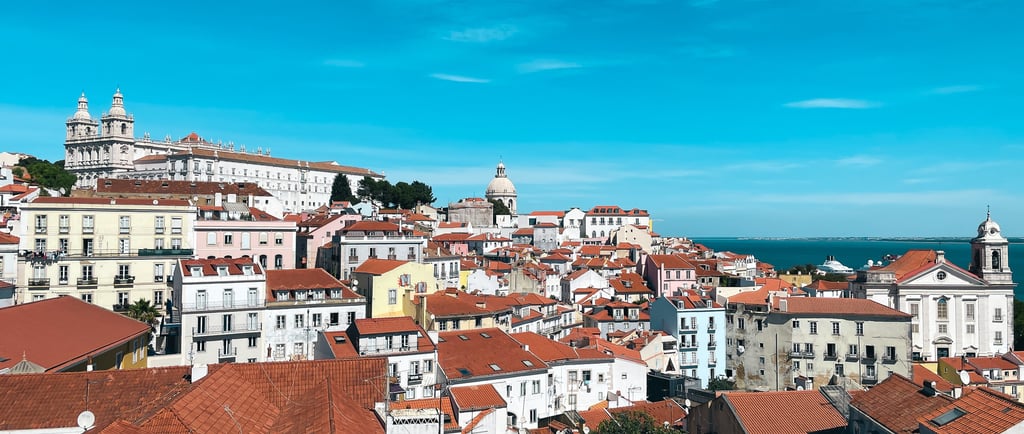
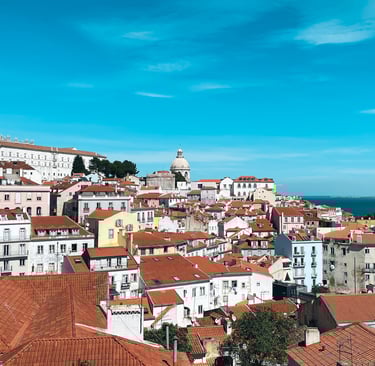
Every corner of Lisbon feels like a postcard – from its colourful buildings to the narrow streets and stunning views of the water, the city is bursting with charm and character. I had the chance to explore this beautiful city, and let me tell you, there’s so much to see, do, and love. In this post, I’ll share what made my trip to Lisbon truly unforgettable.
The History Beneath Lisbon’s Streets
Before we dive into all the fun things I did, let’s take a moment to appreciate the incredible history of this city. In 1755, Lisbon faced one of the most devastating natural disasters in its history – a massive earthquake that struck on the morning of November 1st.Thousands of people were inside churches for All Saints’ Day when the ground started to shake, and many lost their lives in the chaos.
But the story doesn’t end there. Just as Lisbon was trying to recover from the destruction, a powerful tsunami slammed into the shore, wiping out even more of the city. The heart of Lisbon, the Baixa district, was particularly hard-hit, with churches, palaces, and homes reduced to rubble.
However, the resilience of Lisbon is one of the city’s most remarkable qualities. Thanks to the quick thinking and brilliant leadership of the Marquis of Pombal, the city slowly began to rise from the ashes. The Marquis played a crucial role in rebuilding Lisbon, introducing the Pombaline style, a form of architecture designed to withstand earthquakes. This architectural style not only marked a new era of rebuilding but also laid the groundwork for many of the buildings we see in the city today.
Why Lisbon is So Special
Walking through the streets of Lisbon, it’s clear how much the city has overcome. Whether you’re strolling through the historic Baixa district or admiring the stunning views from one of the many viewpoints, there’s a sense of resilience and beauty everywhere you look. For me, it was more than just the picturesque buildings – it was about the energy and stories embedded in the very stones beneath my feet.
Exploring Lisbon: A City Steeped in Charm and Resilience
Every corner of Lisbon feels like a postcard – from its colourful buildings to the narrow streets and stunning views of the water, the city is bursting with charm and character. I had the chance to explore this beautiful city, and let me tell you, there’s so much to see, do, and love. In this post, I’ll share what made my trip to Lisbon truly unforgettable.
The History Beneath Lisbon’s Streets
Before we dive into all the fun things I did, let’s take a moment to appreciate the incredible history of this city. In 1755, Lisbon faced one of the most devastating natural disasters in its history – a massive earthquake that struck on the morning of November 1st.Thousands of people were inside churches for All Saints’ Day when the ground started to shake, and many lost their lives in the chaos.
But the story doesn’t end there. Just as Lisbon was trying to recover from the destruction, a powerful tsunami slammed into the shore, wiping out even more of the city. The heart of Lisbon, the Baixa district, was particularly hard-hit, with churches, palaces, and homes reduced to rubble.
However, the resilience of Lisbon is one of the city’s most remarkable qualities. Thanks to the quick thinking and brilliant leadership of the Marquis of Pombal, the city slowly began to rise from the ashes. The Marquis played a crucial role in rebuilding Lisbon, introducing the Pombaline style, a form of architecture designed to withstand earthquakes. This architectural style not only marked a new era of rebuilding but also laid the groundwork for many of the buildings we see in the city today.
Why Lisbon is So Special
Walking through the streets of Lisbon, it’s clear how much the city has overcome. Whether you’re strolling through the historic Baixa district or admiring the stunning views from one of the many viewpoints, there’s a sense of resilience and beauty everywhere you look. For me, it was more than just the picturesque buildings – it was about the energy and stories embedded in the very stones beneath my feet.
Day 1: Exploring the Heart of Lisbon
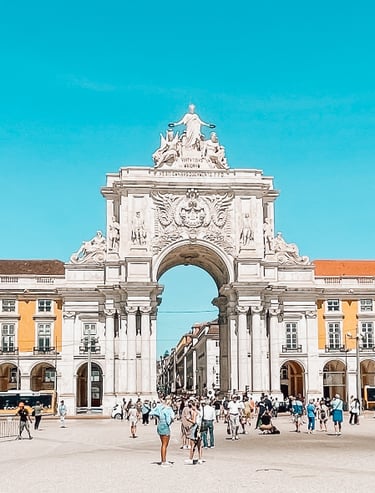
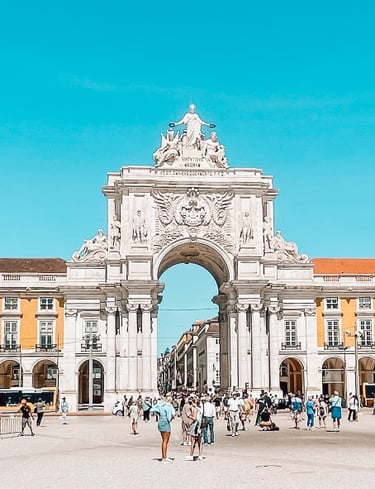
When in Lisbon, a visit to Praça do Comércio (or Terreiro do Paço, as it’s known to the locals) is a must. This grand riverside square is not only one of Lisbon’s most iconic landmarks, but it also offers a perfect starting point for your exploration of the city. Located right by the water, the square is surrounded by shops, cafes, and restaurants – and it’s an ideal place to grab a gelato. I highly recommend stopping by Amorino Gelato, where the flavors are as sweet as the surroundings.
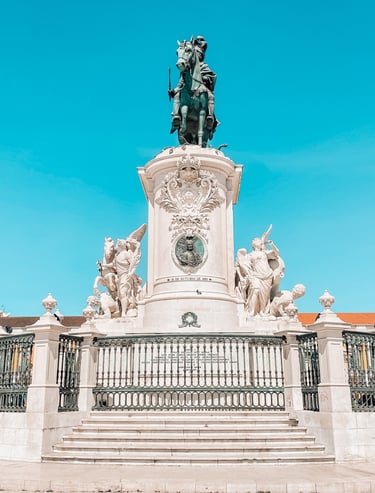
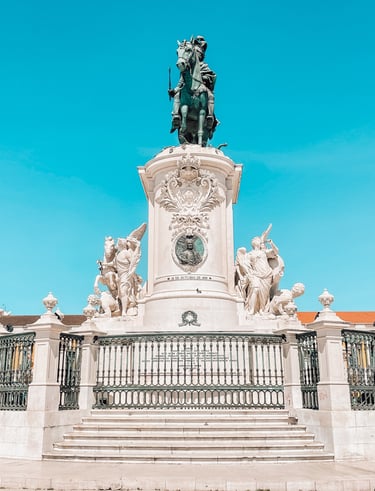
The square is one of the largest in Europe and is framed by beautiful classical arches, making it a stunning sight to behold. As you walk through, you’ll come across a massive statue of King José I atop his horse, Gentil. Sculpted by Machado de Castro, this imposing figure is symbolic of royal power, with the king crushing snakes under his horse’s hooves – an artistic representation of his strength and influence.
Interestingly, the square’s history dates back to a time long before the grand monuments we see today. It was once the site of the Ribeira Palace, built by King Manuel I in the early 16th century. The area was an important hub for urban development, especially along the banks of the Tagus River (Ribeira). But on November 1st, 1755, tragedy struck when a massive earthquake, followed by a tsunami and fire, destroyed much of the city, including the palace and other riverside buildings.
After the devastation, Praça do Comércio was reshaped to reflect Lisbon’s new economic role and function in the city’s recovery. Today, it's a lively square that carries the weight of history while offering visitors a vibrant space to relax, eat, and explore.
Pink Street
A Journey Through Time at the National Tile Museum
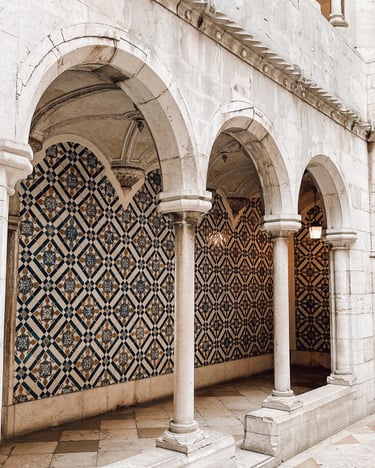
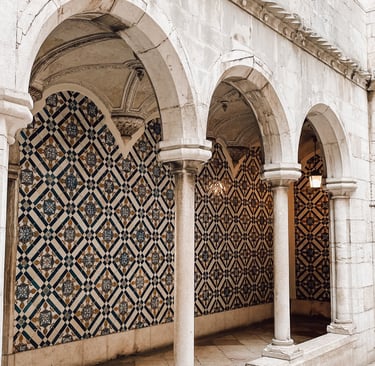
One of the most unique museums in Lisbon is the National Tile Museum (Museu Nacional do Azulejo), and it’s absolutely worth a visit. This museum offers a fascinating journey through the history of Portuguese tilework — from the 15th century all the way to the present day — with the collections beautifully arranged in chronological order as you move through the exhibits.
When you first step inside, the museum introduces you to the process of how tiles are created, glazed, and painted. Then, as you explore further, you’ll walk through centuries of tile art, witnessing how styles, techniques, and designs evolved over time. The museum is housed in the former Madre de Deus Convent, adding another layer of beauty and history to your visit. Fun fact: this museum holds one of the largest ceramic collections in the world!
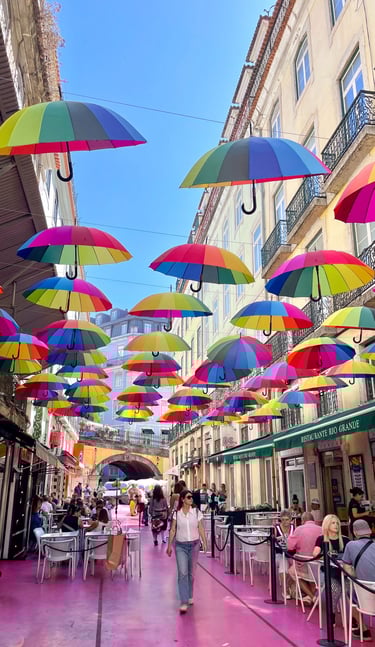
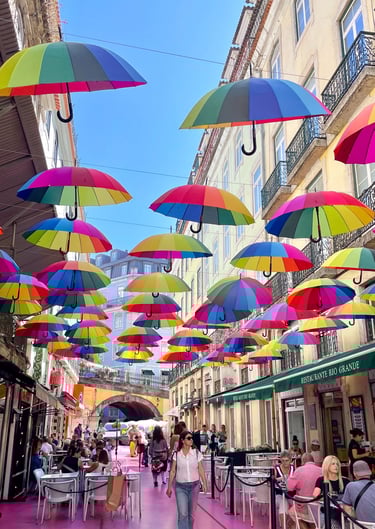
If you're looking for a lively and colorful place to experience Lisbon’s nightlife, Pink Street is the spot to be. True to its name, the street is painted a bright pink, making it a fun and vibrant place to visit during the day — and even more exciting at night.
Colorful rainbow umbrellas are strung overhead, adding a playful touch that makes the whole street feel like a celebration. Lined with restaurants, bars, and clubs, Pink Street truly comes alive after dark. Many of the spots here offer live Fado performances (a traditional music genre known for its soulful and emotional tunes), giving you the chance to enjoy traditional Portuguese music while soaking in the electric atmosphere.
Throughout the night, you’ll find terraces buzzing with people, live concerts, and themed events that keep the energy high until the early hours. Whether you’re stopping by for a casual drink, dancing the night away, or just soaking in the vibrant scene, Pink Street is one of those places you can’t miss when exploring Lisbon’s nightlife.






Day 1: Exploring the Heart of Lisbon
When in Lisbon, a visit to Praça do Comércio (or Terreiro do Paço, as it’s known to the locals) is a must. This grand riverside square is not only one of Lisbon’s most iconic landmarks, but it also offers a perfect starting point for your exploration of the city. Located right by the water, the square is surrounded by shops, cafes, and restaurants – and it’s an ideal place to grab a gelato. I highly recommend stopping by Amorino Gelato, where the flavors are as sweet as the surroundings.
The square is one of the largest in Europe and is framed by beautiful classical arches, making it a stunning sight to behold. As you walk through, you’ll come across a massive statue of King José I atop his horse, Gentil. Sculpted by Machado de Castro, this imposing figure is symbolic of royal power, with the king crushing snakes under his horse’s hooves – an artistic representation of his strength and influence.
Interestingly, the square’s history dates back to a time long before the grand monuments we see today. It was once the site of the Ribeira Palace, built by King Manuel I in the early 16th century. The area was an important hub for urban development, especially along the banks of the Tagus River (Ribeira). But on November 1st, 1755, tragedy struck when a massive earthquake, followed by a tsunami and fire, destroyed much of the city, including the palace and other riverside buildings.
After the devastation, Praça do Comércio was reshaped to reflect Lisbon’s new economic role and function in the city’s recovery. Today, it's a lively square that carries the weight of history while offering visitors a vibrant space to relax, eat, and explore.
Pink Street
A Journey Through Time at the National Tile Museum
One of the most unique museums in Lisbon is the National Tile Museum (Museu Nacional do Azulejo), and it’s absolutely worth a visit. This museum offers a fascinating journey through the history of Portuguese tilework — from the 15th century all the way to the present day — with the collections beautifully arranged in chronological order as you move through the exhibits.
When you first step inside, the museum introduces you to the process of how tiles are created, glazed, and painted. Then, as you explore further, you’ll walk through centuries of tile art, witnessing how styles, techniques, and designs evolved over time. The museum is housed in the former Madre de Deus Convent, adding another layer of beauty and history to your visit. Fun fact: this museum holds one of the largest ceramic collections in the world!
If you're looking for a lively and colorful place to experience Lisbon’s nightlife, Pink Street is the spot to be. True to its name, the street is painted a bright pink, making it a fun and vibrant place to visit during the day — and even more exciting at night.
Colorful rainbow umbrellas are strung overhead, adding a playful touch that makes the whole street feel like a celebration. Lined with restaurants, bars, and clubs, Pink Street truly comes alive after dark. Many of the spots here offer live Fado performances (a traditional music genre known for its soulful and emotional tunes), giving you the chance to enjoy traditional Portuguese music while soaking in the electric atmosphere.
Throughout the night, you’ll find terraces buzzing with people, live concerts, and themed events that keep the energy high until the early hours. Whether you’re stopping by for a casual drink, dancing the night away, or just soaking in the vibrant scene, Pink Street is one of those places you can’t miss when exploring Lisbon’s nightlife.
Getting around Lisbon, though, requires a little energy — the city is famously hilly, so expect lots of uphill walks. A great and very fun way to explore without getting too tired is by hopping on a Tuk Tuk. These small motorized vehicles fit around 4–6 people and are a popular way to tour the city. Most Tuk Tuk tours include stops at historical landmarks, while the driver shares interesting stories and facts about Lisbon’s rich past.
Sunset Spots
If you're lucky, your driver might take you to one of the best sunset spots in the city — the São Vicente Viewpoint (Miradouro de São Vicente), where you’ll get a breathtaking panoramic view over Lisbon’s rooftops and the Tagus River. There's even a beautiful statue here, adding to the magic of the spot.
Another spot to catch a stunning panoramic view of the city is Miradouro das Portas do Sol.This viewpoint gives you sweeping views of the red rooftops and church spires dotted throughout the city, leading down to the water. Like most popular viewpoints, it can get busy, but it’s definitely worth the visit!
Wrapping Up Day 1: Gardens, Tiles, and Timeless Streets
After a day filled with lively squares and colorful streets, I made my way to Jardim Júlio de Castilho, a charming garden tucked away in Lisbon’s hills. Named after Júlio de Castilho, a notable 19th-century Portuguese historian and writer, this peaceful spot offers breathtaking panoramic views over the city’s historic quarters.
The garden itself is a little gem, filled with flowers — especially bright pink bougainvillea climbing along pergolas. Entry to the garden is free, making it the perfect place to slow down, relax on a bench, and soak in the views. One thing I loved was the beautiful blue tile walls that frame parts of the garden — I couldn’t resist snapping a picture of my nails against the stunning tiles!
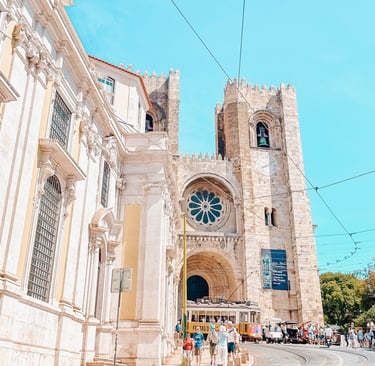
Fun fact: Cathedral (Sé de Lisboa) is actually featured on the 10 euro bill. If you pay close attention to the clock tower, you’ll notice something unique: the number 4 is represented as IIII instead of the traditional IV — a detail that hints at the building’s very old origins.
From the garden, it’s an easy stroll down into Alfama, the heart and soul of old Lisbon. Wandering through Alfama feels like stepping back in time. Along with nearby Baixa and Chiado, these neighborhoods capture the romantic and historic spirit of the city with their winding cobblestone streets, colorful houses, and open plazas.
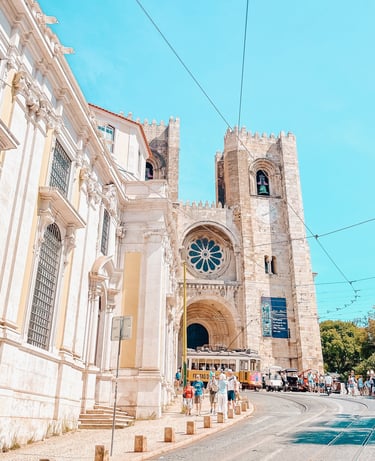
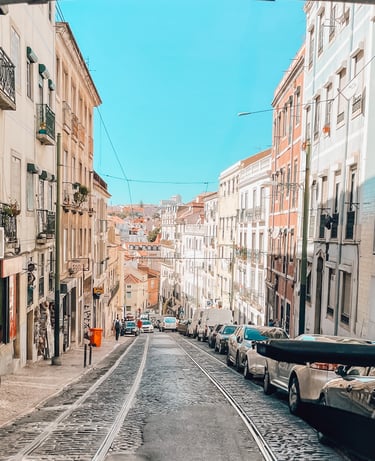
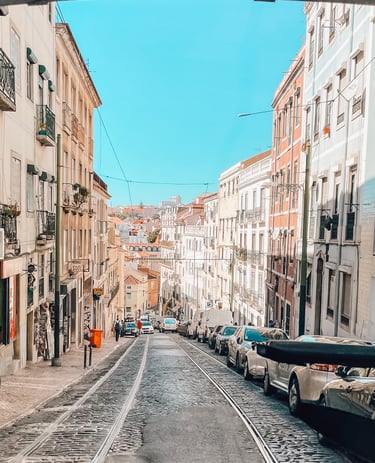
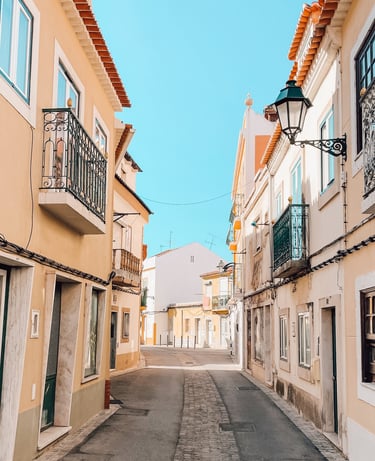
Alfama is especially magical, with narrow alleyways that twist down from Castelo de São Jorge, perched high on the hill. Some of the best viewpoints in Lisbon are hidden here, offering postcard-perfect views over terracotta rooftops and the river. If hiking uphill sounds daunting after a full day of exploring, you can hop on the famous Tram 28 — Lisbon’s iconic yellow tram — which winds its way through the historic streets and drops you off near the castle. It's a fun and classic way to see the city without the uphill trek!


Getting around Lisbon, though, requires a little energy — the city is famously hilly, so expect lots of uphill walks. A great and very fun way to explore without getting too tired is by hopping on a Tuk Tuk. These small motorized vehicles fit around 4–6 people and are a popular way to tour the city. Most Tuk Tuk tours include stops at historical landmarks, while the driver shares interesting stories and facts about Lisbon’s rich past.
Sunset Spots
If you're lucky, your driver might take you to one of the best sunset spots in the city — the São Vicente Viewpoint (Miradouro de São Vicente), where you’ll get a breathtaking panoramic view over Lisbon’s rooftops and the Tagus River. There's even a beautiful statue here, adding to the magic of the spot.
Another spot to catch a stunning panoramic view of the city is Miradouro das Portas do Sol.This viewpoint gives you sweeping views of the red rooftops and church spires dotted throughout the city, leading down to the water. Like most popular viewpoints, it can get busy, but it’s definitely worth the visit!
Wrapping Up Day 1: Gardens, Tiles, and Timeless Streets
After a day filled with lively squares and colorful streets, I made my way to Jardim Júlio de Castilho, a charming garden tucked away in Lisbon’s hills. Named after Júlio de Castilho, a notable 19th-century Portuguese historian and writer, this peaceful spot offers breathtaking panoramic views over the city’s historic quarters.
The garden itself is a little gem, filled with flowers — especially bright pink bougainvillea climbing along pergolas. Entry to the garden is free, making it the perfect place to slow down, relax on a bench, and soak in the views. One thing I loved was the beautiful blue tile walls that frame parts of the garden — I couldn’t resist snapping a picture of my nails against the stunning tiles!
Fun fact: Cathedral (Sé de Lisboa) is actually featured on the 10 euro bill. If you pay close attention to the clock tower, you’ll notice something unique: the number 4 is represented as IIII instead of the traditional IV — a detail that hints at the building’s very old origins.
From the garden, it’s an easy stroll down into Alfama, the heart and soul of old Lisbon. Wandering through Alfama feels like stepping back in time. Along with nearby Baixa and Chiado, these neighborhoods capture the romantic and historic spirit of the city with their winding cobblestone streets, colorful houses, and open plazas.
Alfama is especially magical, with narrow alleyways that twist down from Castelo de São Jorge, perched high on the hill. Some of the best viewpoints in Lisbon are hidden here, offering postcard-perfect views over terracotta rooftops and the river. If hiking uphill sounds daunting after a full day of exploring, you can hop on the famous Tram 28 — Lisbon’s iconic yellow tram — which winds its way through the historic streets and drops you off near the castle. It's a fun and classic way to see the city without the uphill trek!
Day 2: Exploring Belém – History, Sweet Treats, and Riverside Views
On Day 2 of our Lisbon adventure, we headed to Belém, a historic district right along the river. Once a separate town, Belém has since been absorbed into the expanding city of Lisbon, but it still feels like a special world of its own. Today, the entire area is recognized as a UNESCO World Heritage Site thanks to its incredible monuments and rich history.
Belém is packed with must-see sights, so I recommend starting at the far end with the iconic Tower of Belém (Torre de Belém) and then working your way back towards central Lisbon.
Tower of Belém
Standing proudly along the riverbank, the Torre de Belém was built in the early 1500s for two important reasons: first, as an entry and exit point for ships coming into Lisbon, and second, as a coastal defense tower to protect the city from potential attacks. Its ideal placement at the mouth of the river made it a crucial part of Lisbon’s defense system during the Age of Discoveries. The tower’s unique Manueline architecture and intricate stonework are absolutely stunning — it’s like stepping into a storybook!
Another spot worth visiting is Jerónimos Monastery. The monastery (and the garden across the street) are worth a visit too. It was once home to monks from the Order of Saint Jerome (hence the name), and though it is no longer active today, it remains an important piece of Lisbon's history.
Pastéis de Belém – A Sweet Legend
Head about a block east from the monastery to your final stop in Belém at Pastéis de Belém – the birthplace of the pastel de nata. The legend goes that the pastel de nata was created by monks from the monastery way back in the early 19th century. Next to the monastery, there was a sugarcane factory, and after the revolution in Portugal in 1820, all convents and monasteries were shut down in 1834, leaving the monks with no livelihood. Before that, they bought a ton of eggs (the whites were used for starching robes) and found themselves with leftover egg yolks, which they began using to make sweet treats as a side hustle. The locals take their Pastéis de Belém very seriously – only the pastries made here can legally be called “Pastéis de Belém” – the original.
This iconic pastry is a delicious egg custard tart nestled in a perfectly crispy, flaky crust, best enjoyed with a generous sprinkle of cinnamon (which they’ll provide at your table). And yes — it’s every bit as amazing as you’ve heard! There’s usually a long line outside, but here’s a tip: you can bypass the takeaway line and head straight inside to the café area, where you’ll find table service and a full menu if you’re hungry for more than just dessert.
After indulging in these sweet treats, you can continue exploring the area, soaking in Belém’s riverside beauty and historic charm. From grand monuments to mouth watering pastries, this district offers a perfect glimpse into Lisbon’s golden past.
After a day filled with history, riverside strolls, and the most unforgettable pastries, Belém quickly became one of my favourite parts of Lisbon. It felt like walking through a living museum — where every street, every building, and every bite told a story. As the sun set over the Tagus River, we headed back into the city, full of sweet memories and excited for what Lisbon had in store for us next.






Day 2: Exploring Belém – History, Sweet Treats, and Riverside Views
On Day 2 of our Lisbon adventure, we headed to Belém, a historic district right along the river. Once a separate town, Belém has since been absorbed into the expanding city of Lisbon, but it still feels like a special world of its own. Today, the entire area is recognized as a UNESCO World Heritage Site thanks to its incredible monuments and rich history.
Belém is packed with must-see sights, so I recommend starting at the far end with the iconic Tower of Belém (Torre de Belém) and then working your way back towards central Lisbon.
Tower of Belém
Standing proudly along the riverbank, the Torre de Belém was built in the early 1500s for two important reasons: first, as an entry and exit point for ships coming into Lisbon, and second, as a coastal defense tower to protect the city from potential attacks. Its ideal placement at the mouth of the river made it a crucial part of Lisbon’s defense system during the Age of Discoveries. The tower’s unique Manueline architecture and intricate stonework are absolutely stunning — it’s like stepping into a storybook!
Another spot worth visiting is Jerónimos Monastery. The monastery (and the garden across the street) are worth a visit too. It was once home to monks from the Order of Saint Jerome (hence the name), and though it is no longer active today, it remains an important piece of Lisbon's history.
Pastéis de Belém – A Sweet Legend
Head about a block east from the monastery to your final stop in Belém at Pastéis de Belém – the birthplace of the pastel de nata. The legend goes that the pastel de nata was created by monks from the monastery way back in the early 19th century. Next to the monastery, there was a sugarcane factory, and after the revolution in Portugal in 1820, all convents and monasteries were shut down in 1834, leaving the monks with no livelihood. Before that, they bought a ton of eggs (the whites were used for starching robes) and found themselves with leftover egg yolks, which they began using to make sweet treats as a side hustle. The locals take their Pastéis de Belém very seriously – only the pastries made here can legally be called “Pastéis de Belém” – the original.
This iconic pastry is a delicious egg custard tart nestled in a perfectly crispy, flaky crust, best enjoyed with a generous sprinkle of cinnamon (which they’ll provide at your table). And yes — it’s every bit as amazing as you’ve heard! There’s usually a long line outside, but here’s a tip: you can bypass the takeaway line and head straight inside to the café area, where you’ll find table service and a full menu if you’re hungry for more than just dessert.
After indulging in these sweet treats, you can continue exploring the area, soaking in Belém’s riverside beauty and historic charm. From grand monuments to mouth watering pastries, this district offers a perfect glimpse into Lisbon’s golden past.
After a day filled with history, riverside strolls, and the most unforgettable pastries, Belém quickly became one of my favorite parts of Lisbon. It felt like walking through a living museum — where every street, every building, and every bite told a story. As the sun set over the Tagus River, we headed back into the city, full of sweet memories and excited for what Lisbon had in store for us next.
Day 3: A Fairy Tale Day Trip to Sintra
Just a short train ride from Lisbon, Sintra feels like something straight out of a storybook. With its colorful palaces perched on lush, green hills and its charming old town filled with cobblestone streets, it's easy to see why so many people fall head over heels for this magical place.
Pena Palace
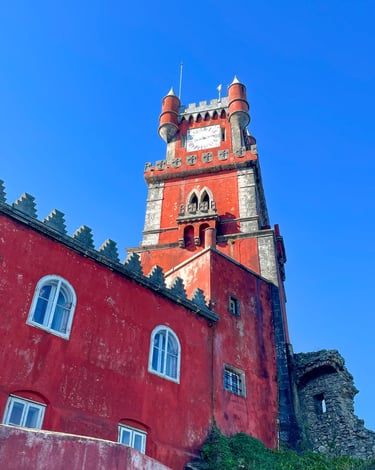
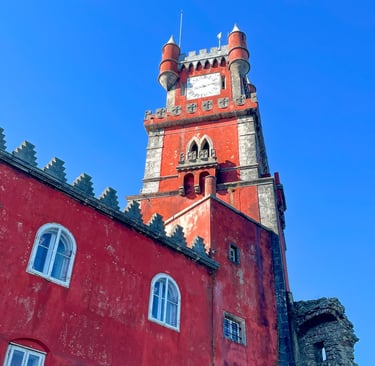
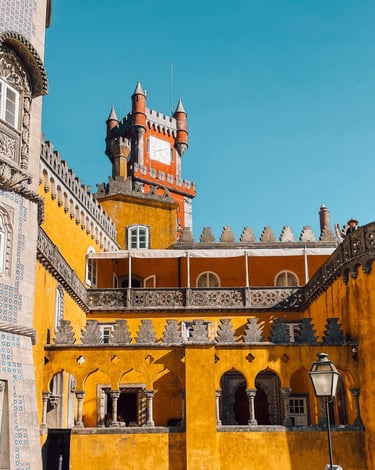
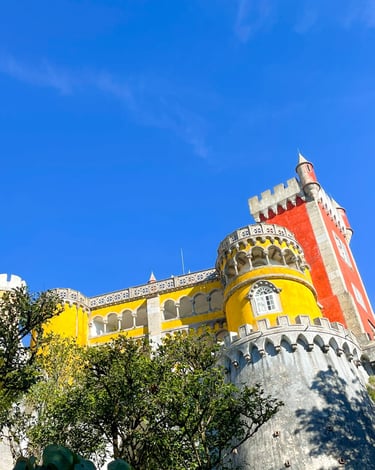
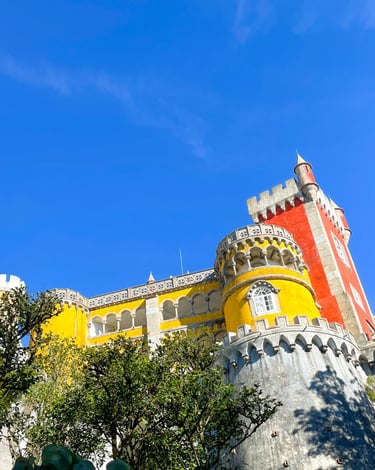
Our first stop was the breathtaking Pena Palace. The history of this vibrant landmark goes all the way back to the 12th century when a small chapel was first built on the site. Later, in the 1500s, King Manuel I had a monastery constructed here for monks. Although the devastating 1755 earthquake badly damaged the building, it continued to be used until 1834, when monasteries across Portugal were dissolved.
A few years later, in 1838, King Ferdinand II purchased the land. Inspired by Sintra’s beauty, he decided to transform the ruins into a whimsical summer retreat. The result? The colorful, dreamlike Palace of Pena — a blend of Gothic, Renaissance, and even Moorish influences — surrounded by a sprawling park filled with winding paths, pavilions, and exotic plants from around the world.
The royal family, including King Carlos I and Queen Amélie, later used the palace as their summer residence, and King Manuel II stayed there until the end of the monarchy in 1910. Today, Pena Palace stands as a proud UNESCO World Heritage Site, carefully preserved by Parques de Sintra to ensure future generations can continue to experience its magic.
Quinta da Regaleira
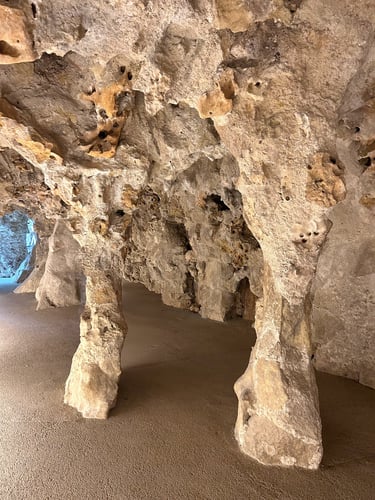
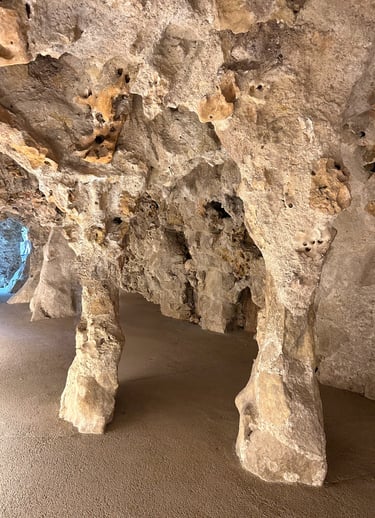
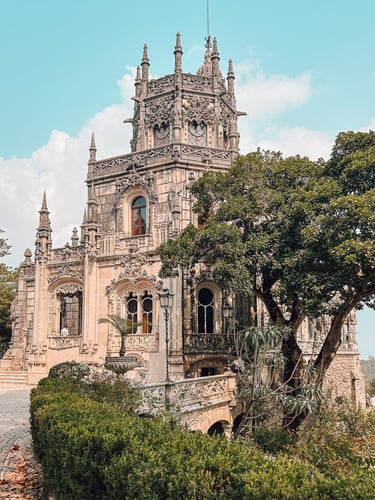
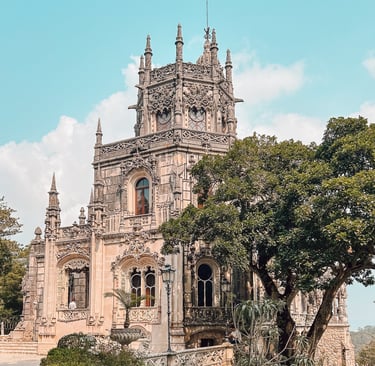
Next, we visited the mysterious and enchanting Quinta da Regaleira, another UNESCO World Heritage Site located near Sintra’s historic centre. This stunning estate is famous for its gothic-style palace, charming chapel, and magical gardens filled with secret tunnels, fountains, caves, and two spiral wells.
In 1892, a wealthy businessman named António Augusto Carvalho Monteiro bought the property. Working with Italian architect Luigi Manini, he filled it with hidden symbols and references to secret societies like the Freemasons and the Knights Templar. Everywhere you turn, there’s something unexpected — twisting pathways, hidden doors, and magical grottos.
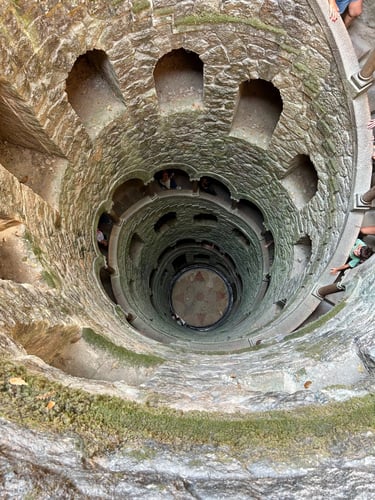
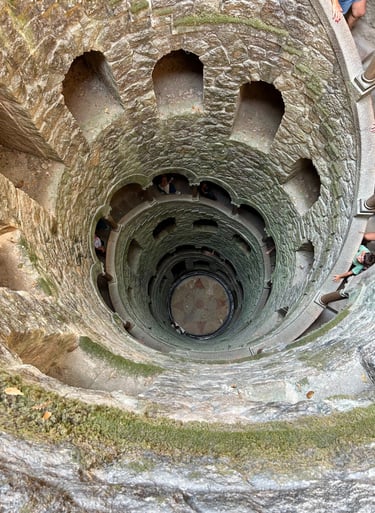
One of the most famous features is the Initiation Well, a mesmerizing spiral staircase that descends deep underground. Some believe it was used for ceremonial purposes, though the exact history remains shrouded in mystery. Quinta da Regaleira finally opened to the public in 1998 and remains one of Sintra’s most fascinating and enchanting places to explore.
Moorish Castle
Perched high above Sintra’s hills, the Moorish Castle offers some of the best panoramic views of the entire region. Built during the 8th and 9th centuries by the Moors, this ancient fortress once served as a key strategic point. Today, walking along its rugged stone walls feels like stepping back in time — and the views from the top are absolutely worth the climb!
If I could bottle up the magic of Sintra and take it home, I would! From the colorful towers of Pena Palace to the secret tunnels of Quinta da Regaleira and the epic views at the Moorish Castle, the whole day felt like we were living inside a storybook. Sintra has this way of making you feel like anything is possible — like you might just stumble upon a hidden treasure or a secret door. We ended the day with tired feet, full hearts, and way too many photos (no regrets). Sintra, you were pure magic!
A Visit to Cascais
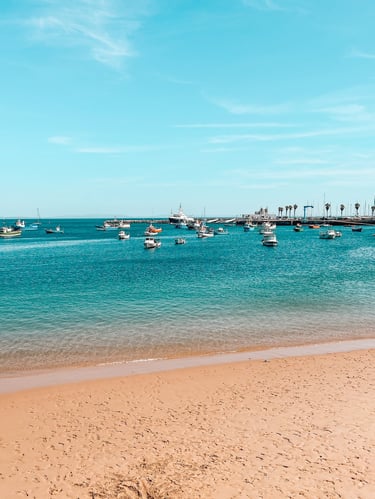
After exploring Sintra, we made our way to Cascais, a picturesque town known for its beautiful beaches, seaside charm, and delicious seafood. Just a short train ride away from Sintra, Cascais offers a perfect blend of relaxation and seaside fun.
The town has a cozy vibe, with cobblestone streets lined with charming restaurants and bars where you can enjoy fresh seafood while soaking in the ocean breeze. There’s a particular alley with cobblestones that’s a great spot to sit outside, enjoy the beautiful weather, and savor some of the best seafood in Portugal. It’s the ideal place to unwind, whether you’re lounging by the beach or just enjoying a casual drink by the water.
If you're looking for a stunning viewpoint, consider visiting Santuário de Cristo Rei in the Almada district. This towering statue of Jesus stands atop a 75-meter-high column and may look familiar because it’s inspired by the famous Christ the Redeemer statue in Rio de Janeiro. From here, you can enjoy panoramic views of Lisbon and the surrounding area — a perfect spot for reflection or taking in the beauty of the city. You can even see this statue from the bridge connecting Lisbon to Seixal, a small town on the other side of the water. Seixal is home to very local restaurants that give you an authentic feel of the area. If you're looking for a more affordable stay, Airbnb options here are cheaper, and you can easily take a ferry back to Lisbon’s city center.
Before wrapping up, it’s worth mentioning some delightful local treats and drinks to enjoy during your visit. The croissants in Lisbon are a bit different from what you might be used to — they have a cakier texture and are incredibly delicious! And if you’re a fan of beer, be sure to try the two local favorites: Sagres and Super Bock. Both beers are closely associated with the country’s soccer teams and are a perfect way to toast to your Lisbon adventure.
Final Thoughts
Lisbon truly stole my heart with its colorful streets, rich history, and warm, welcoming energy. From wandering the lively squares and tasting sweet pastéis de nata, to getting lost in the fairy tale magic of Sintra, every moment was unforgettable. Whether you’re a history lover, a foodie, or just someone looking for a bit of adventure, Lisbon has something special waiting around every corner. I hope this itinerary inspires you to explore this beautiful city and create your own incredible memories. Until next time, Lisbon!



Day 3: A Fairy Tale Day Trip to Sintra
Just a short train ride from Lisbon, Sintra feels like something straight out of a storybook. With its colorful palaces perched on lush, green hills and its charming old town filled with cobblestone streets, it's easy to see why so many people fall head over heels for this magical place.
Pena Palace
Our first stop was the breathtaking Pena Palace. The history of this vibrant landmark goes all the way back to the 12th century when a small chapel was first built on the site. Later, in the 1500s, King Manuel I had a monastery constructed here for monks. Although the devastating 1755 earthquake badly damaged the building, it continued to be used until 1834, when monasteries across Portugal were dissolved.
A few years later, in 1838, King Ferdinand II purchased the land. Inspired by Sintra’s beauty, he decided to transform the ruins into a whimsical summer retreat. The result? The colorful, dreamlike Palace of Pena — a blend of Gothic, Renaissance, and even Moorish influences — surrounded by a sprawling park filled with winding paths, pavilions, and exotic plants from around the world.
The royal family, including King Carlos I and Queen Amélie, later used the palace as their summer residence, and King Manuel II stayed there until the end of the monarchy in 1910. Today, Pena Palace stands as a proud UNESCO World Heritage Site, carefully preserved by Parques de Sintra to ensure future generations can continue to experience its magic.
Quinta da Regaleira
Next, we visited the mysterious and enchanting Quinta da Regaleira, another UNESCO World Heritage Site located near Sintra’s historic centre. This stunning estate is famous for its gothic-style palace, charming chapel, and magical gardens filled with secret tunnels, fountains, caves, and two spiral wells.
In 1892, a wealthy businessman named António Augusto Carvalho Monteiro bought the property. Working with Italian architect Luigi Manini, he filled it with hidden symbols and references to secret societies like the Freemasons and the Knights Templar. Everywhere you turn, there’s something unexpected — twisting pathways, hidden doors, and magical grottos.
One of the most famous features is the Initiation Well, a mesmerizing spiral staircase that descends deep underground. Some believe it was used for ceremonial purposes, though the exact history remains shrouded in mystery. Quinta da Regaleira finally opened to the public in 1998 and remains one of Sintra’s most fascinating and enchanting places to explore.
Moorish Castle
Perched high above Sintra’s hills, the Moorish Castle offers some of the best panoramic views of the entire region. Built during the 8th and 9th centuries by the Moors, this ancient fortress once served as a key strategic point. Today, walking along its rugged stone walls feels like stepping back in time — and the views from the top are absolutely worth the climb!
If I could bottle up the magic of Sintra and take it home, I would! From the colorful towers of Pena Palace to the secret tunnels of Quinta da Regaleira and the epic views at the Moorish Castle, the whole day felt like we were living inside a storybook. Sintra has this way of making you feel like anything is possible — like you might just stumble upon a hidden treasure or a secret door. We ended the day with tired feet, full hearts, and way too many photos (no regrets). Sintra, you were pure magic!
A Visit to Cascais
After exploring Sintra, we made our way to Cascais, a picturesque town known for its beautiful beaches, seaside charm, and delicious seafood. Just a short train ride away from Sintra, Cascais offers a perfect blend of relaxation and seaside fun.
The town has a cozy vibe, with cobblestone streets lined with charming restaurants and bars where you can enjoy fresh seafood while soaking in the ocean breeze. There’s a particular alley with cobblestones that’s a great spot to sit outside, enjoy the beautiful weather, and savor some of the best seafood in Portugal. It’s the ideal place to unwind, whether you’re lounging by the beach or just enjoying a casual drink by the water.
If you're looking for a stunning viewpoint, consider visiting Santuário de Cristo Rei in the Almada district. This towering statue of Jesus stands atop a 75-meter-high column and may look familiar because it’s inspired by the famous Christ the Redeemer statue in Rio de Janeiro. From here, you can enjoy panoramic views of Lisbon and the surrounding area — a perfect spot for reflection or taking in the beauty of the city. You can even see this statue from the bridge connecting Lisbon to Seixal, a small town on the other side of the water. Seixal is home to very local restaurants that give you an authentic feel of the area. If you're looking for a more affordable stay, Airbnb options here are cheaper, and you can easily take a ferry back to Lisbon’s city center.
Before wrapping up, it’s worth mentioning some delightful local treats and drinks to enjoy during your visit. The croissants in Lisbon are a bit different from what you might be used to — they have a cakier texture and are incredibly delicious! And if you’re a fan of beer, be sure to try the two local favorites: Sagres and Super Bock. Both beers are closely associated with the country’s soccer teams and are a perfect way to toast to your Lisbon adventure.
Final Thoughts
Lisbon truly stole my heart with its colorful streets, rich history, and warm, welcoming energy. From wandering the lively squares and tasting sweet pastéis de nata, to getting lost in the fairy tale magic of Sintra, every moment was unforgettable. Whether you’re a history lover, a foodie, or just someone looking for a bit of adventure, Lisbon has something special waiting around every corner. I hope this itinerary inspires you to explore this beautiful city and create your own incredible memories. Until next time, Lisbon!